
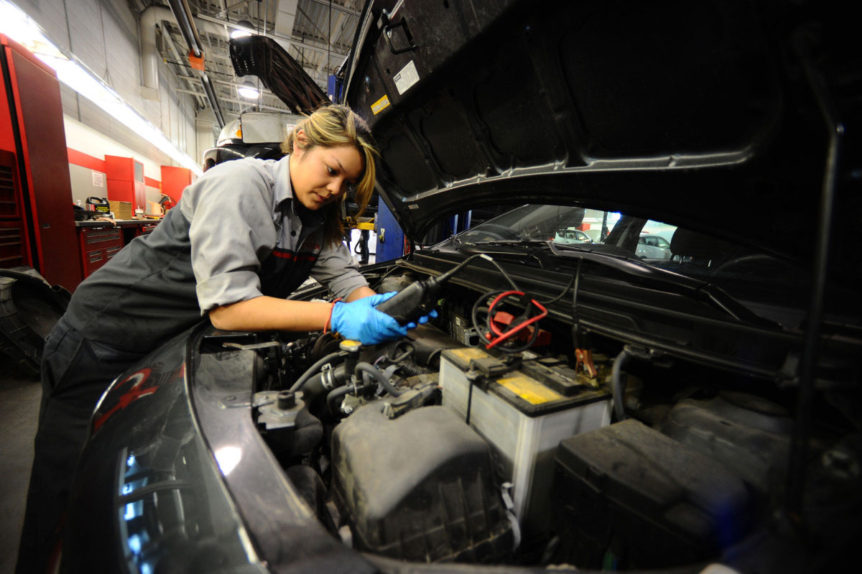
Auto repair has always been essential to transportation, but the industry is now experiencing rapid transformation. From electric vehicles to artificial intelligence, new technologies are reshaping how cars are serviced and maintained. For car owners and repair professionals alike, understanding these trends is crucial for staying prepared. This guide dives deep into the future of auto repair, exploring the tools, techniques, and innovations that will define the next generation of vehicle care.
Keeping vehicles running efficiently requires skilled service, advanced diagnostic tools, and a dedication to customer satisfaction. Trusted by Brantford drivers for years, our automotive specialists deliver reliable repairs and preventative maintenance for all types of vehicles. Customers choosing a Brantford auto repair shop rely on our professionalism, fair pricing, and dependable automotive solutions.
Why Auto Repair Is Evolving Faster Than Ever
The automotive industry is changing at an unprecedented pace. Cars are no longer just mechanical machines—they are computers on wheels. With increasing reliance on sensors, software, and digital systems, repair needs are more complex. Electric vehicles, hybrid models, and connected cars demand specialized knowledge and equipment. This evolution pushes repair shops and technicians to adapt quickly or risk falling behind.
Electric Vehicles and Their Impact on Auto Repair
Electric vehicles (EVs) are one of the biggest disruptors in the auto repair sector. Unlike traditional vehicles, EVs have fewer moving parts, which reduces common repairs such as oil changes, exhaust replacements, or spark plug changes. However, they introduce new challenges:
-
Battery Maintenance and Replacement: High-voltage batteries are expensive and require certified technicians for handling.
-
Specialized Training: Technicians need advanced training in EV systems and safety protocols.
-
Charging System Repairs: EV chargers and onboard systems require knowledge of electrical engineering.
-
Software Updates: Many EVs receive remote updates, but some require in-shop recalibration.
While EVs reduce some repair demands, they create specialized opportunities for trained professionals.
Artificial Intelligence and Predictive Maintenance
Artificial intelligence is revolutionizing auto repair by enabling predictive maintenance. Instead of reacting to breakdowns, vehicles can now forecast when a part is likely to fail.
-
Telematics: Cars equipped with telematics monitor performance in real time, sending alerts when service is needed.
-
AI Diagnostics: Advanced software analyzes error codes and performance data faster than human technicians.
-
Predictive Models: Algorithms use historical data to predict failures, reducing breakdown risks and costs.
This trend shifts auto repair from a reactive service to a proactive partnership between drivers and shops.
The Rise of Mobile Auto Repair Services
Convenience is now a driving factor in consumer choice. Mobile auto repair services send technicians directly to customers’ homes or workplaces. Equipped with portable diagnostic tools and essential equipment, these services provide oil changes, battery replacements, and minor repairs on-site.
For busy drivers, this eliminates the hassle of dropping off cars at a shop. As technology advances, mobile mechanics are expanding their range of services, combining flexibility with efficiency.
Eco-Friendly and Sustainable Auto Repair
Sustainability is becoming a major theme in the auto repair industry. Customers are increasingly concerned about eco-friendly practices, and repair shops are responding by:
-
Recycling old parts and fluids responsibly.
-
Using biodegradable cleaning products.
-
Installing energy-efficient equipment.
-
Offering hybrid and EV servicing as part of green commitments.
This eco-conscious approach appeals to environmentally aware consumers while reducing the industry’s overall carbon footprint.
Advanced Diagnostic Tools
Modern vehicles rely heavily on sensors and computer systems, making diagnostics a vital part of repair. Future auto repair shops will rely even more on advanced diagnostic equipment, including:
-
OBD-III Scanners: Faster, more detailed fault detection systems.
-
Cloud-Based Software: Real-time sharing of diagnostic results across networks.
-
Augmented Reality (AR) Tools: Assisting technicians with step-by-step repair instructions.
-
Remote Diagnostics: Allowing issues to be identified before the vehicle even reaches the shop.
These innovations improve repair accuracy, reduce time, and increase customer satisfaction.
Training and Certification for the Future Mechanic
The mechanic of the future is not just a technician but also a digital expert. As vehicles evolve, training must expand beyond traditional skills. Key areas for future auto repair training include:
-
Electric and hybrid vehicle certification.
-
High-voltage safety protocols.
-
Software troubleshooting and coding.
-
Knowledge of artificial intelligence applications.
-
Cybersecurity for connected cars.
Repair professionals who embrace ongoing education will remain competitive in a changing marketplace.
Connected Cars and Cybersecurity Challenges
As vehicles become more connected, cybersecurity is emerging as a major concern. Modern cars communicate with smartphones, smart homes, and external servers. While this improves convenience, it opens doors to potential hacking. Repair shops must be prepared to:
-
Update and secure vehicle software.
-
Diagnose cyber-related faults.
-
Educate customers on safe digital practices.
Cybersecurity will soon be as important as oil changes in the auto repair world.
Customer Experience in the Digital Age
The future of auto repair is not only about technology but also about customer experience. Shops that adopt digital booking systems, transparent pricing, and real-time repair updates will attract more customers. Some of the most effective innovations include:
-
Mobile apps for scheduling and tracking repairs.
-
Digital vehicle health reports.
-
Contactless payment options.
-
Customer loyalty programs integrated with online platforms.
These improvements create trust and convenience, making customers more likely to return.
Preparing for the Future of Auto Repair
The auto repair industry is entering a new era driven by technology, sustainability, and customer expectations. Car owners must adapt by learning basic digital tools, while shops must invest in training, equipment, and eco-friendly practices. Those who embrace change will find exciting opportunities, while those who resist may struggle to keep pace.
FAQs About the Future of Auto Repair
1. Will electric vehicles eliminate the need for auto repair?
No, EVs reduce some services like oil changes, but they introduce complex needs such as battery maintenance and software updates.
2. How will artificial intelligence help car owners?
AI enables predictive maintenance, helping drivers avoid costly breakdowns by alerting them before failures occur.
3. Are mechanics at risk of being replaced by technology?
No, but their roles will change. Mechanics will need to become skilled in diagnostics, coding, and EV systems.
4. What is predictive maintenance in auto repair?
It’s the use of sensors and AI to forecast when parts will fail, allowing proactive repairs instead of reactive fixes.
5. Are mobile auto repair services reliable?
Yes, for minor repairs and maintenance. More complex jobs still require fully equipped shops.
6. How will cybersecurity affect cars in the future?
As cars connect to the internet, repair shops must protect them from potential hacking risks.
7. What skills will future auto repair technicians need?
They will need expertise in EVs, hybrid systems, diagnostics, AI, and cybersecurity, in addition to traditional mechanical skills.