
Driving gives people the freedom to travel conveniently, but it also requires responsibility and awareness. A driver must constantly observe traffic, understand road conditions, control the vehicle properly, and anticipate what other road users may do. Good habits developed over time can make everyday journeys safer, calmer, and more predictable.
Whether you are an experienced driver or still building confidence, practical driving tips can help you handle common situations more effectively.
Check Your Vehicle Before Driving
A quick vehicle check can identify problems before they become dangerous. You do not need to perform a detailed mechanical inspection every time, but basic checks are useful.
Before longer journeys, pay attention to:
- Tire pressure and visible tire damage
- Headlights and indicators
- Brake performance
- Windshield and wiper condition
- Fuel level
- Dashboard warning lights
- Mirrors and windows
If something appears unusual, address the issue before continuing whenever possible. A vehicle in good mechanical condition provides a better foundation for safe driving.
Adjust Your Driving Position
Comfort and control are closely connected. Before moving, adjust the driver’s seat so you can comfortably operate the pedals and maintain control of the steering wheel.
Set the mirrors to minimize blind areas and ensure that the seat belt fits correctly. Remove objects that may interfere with pedal operation or obstruct your view.
Taking a minute to prepare can improve visibility and reduce unnecessary adjustments while driving.
Stay Focused
Attention should remain on the road throughout the journey. Modern vehicles contain many convenient features, but drivers should avoid allowing technology to become a distraction.
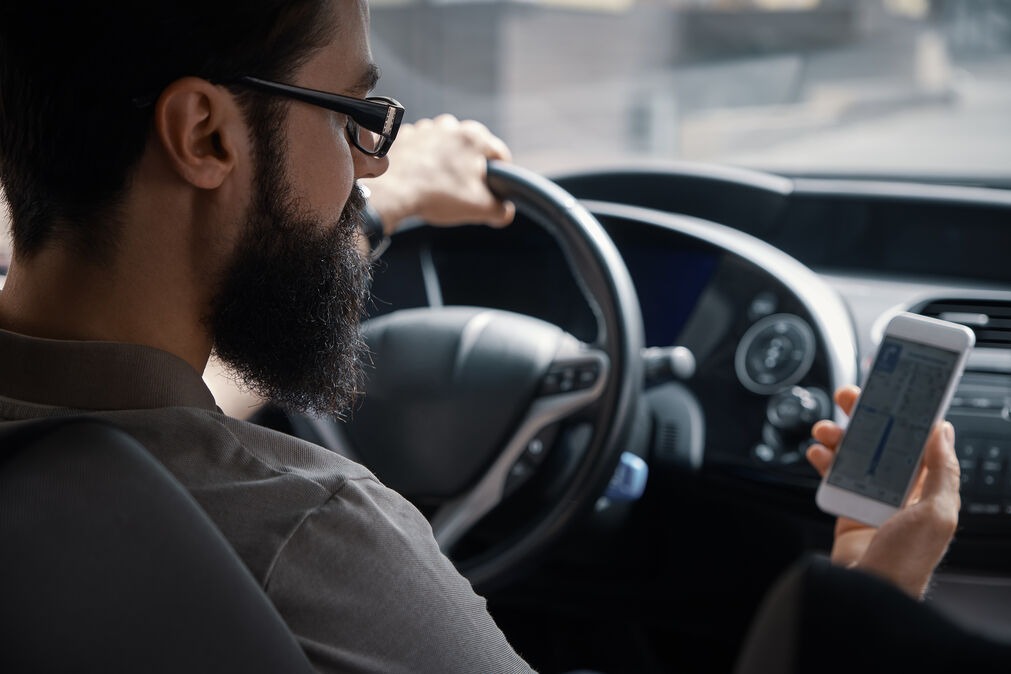
Before starting, set your navigation route, adjust the climate controls, and choose your preferred audio settings. Keep your phone away from your hands and avoid activities that take your eyes away from traffic.
If you need to send a message, make a call, or deal with another distraction, stop somewhere safe first.
Maintain Enough Following Distance
Keeping a reasonable distance from the vehicle ahead gives you more time to respond if traffic suddenly slows or stops.
Following distance should increase when roads are wet, visibility is poor, or traffic conditions are unpredictable. Larger vehicles may also require additional space because they can take longer to stop.
Instead of focusing only on the vehicle directly ahead, look several vehicles farther down the road. This can help you anticipate changes and avoid sudden braking.
Control Your Speed
Speed affects how much time a driver has to react and how much distance is required to stop. Driving too fast for the conditions can make even simple situations more difficult to manage.
A responsible driver considers more than the posted speed limit. Heavy traffic, rain, sharp curves, pedestrians, construction zones, and poor visibility may all require reduced speed.
Smooth acceleration and braking can also improve passenger comfort and reduce unnecessary vehicle wear.
Use Indicators Correctly
Indicators are an important communication tool. They tell other road users that you intend to turn, change lanes, or move into another position.
Use them early enough to provide useful information, but remember that signaling does not automatically give you permission to move. Always check that the intended path is clear.
After changing lanes or completing a turn, make sure the indicator has switched off when necessary.
Check Blind Spots
Mirrors cannot show every area around a vehicle. Blind spots can hide motorcycles, bicycles, smaller cars, and other road users.
Before changing lanes, check the relevant mirrors and look over your shoulder when appropriate. Avoid changing lanes suddenly, especially in crowded traffic.
Be particularly careful when driving near larger vehicles because their blind areas may be extensive.
Adapt to Weather
Road conditions can change quickly during rain, fog, strong winds, or other challenging weather. Good drivers adjust their behavior rather than maintaining the same speed and following distance.
When visibility is reduced, slow down and increase the distance between vehicles. Use appropriate lights and avoid sudden steering or braking movements.
If conditions become unsafe, consider stopping in a suitable location until visibility and road conditions improve.
Be Careful at Intersections
Intersections are areas where different streams of traffic meet, making them important points of attention.
Approach intersections at a controlled speed and watch for vehicles turning across your path, pedestrians, cyclists, and drivers who may not follow signals correctly.
Even when you have the right of way, remain prepared for unexpected behavior. Defensive driving involves protecting yourself from mistakes made by others.
Handle Traffic Stress Calmly
Heavy traffic can test patience, but frustration should never control driving decisions. Avoid aggressive acceleration, unnecessary lane changes, or attempts to compete with other drivers.
If another driver behaves aggressively, create distance instead of responding. Staying calm allows you to concentrate on the road and make better decisions.
Remember that reaching your destination safely is more important than arriving a few minutes earlier.
Take Breaks on Long Journeys
Fatigue can gradually reduce concentration and reaction ability. Long-distance drivers should plan regular breaks rather than waiting until they become extremely tired.
Use breaks to stretch, drink water, eat when necessary, and refresh your attention. If you feel too tired to continue safely, stop driving and rest.
Good planning can make long journeys considerably safer and more comfortable.
Practice Defensive Driving
Defensive driving involves anticipating potential hazards. Watch for pedestrians near crossings, vehicles entering from side roads, sudden braking, road debris, animals, and changing traffic patterns.
Do not assume that every driver will make the correct decision. Maintain enough space and awareness to respond if someone behaves unexpectedly.
Conclusion
Safe driving comes from consistent habits and careful decision-making. Checking the vehicle, staying focused, maintaining distance, controlling speed, using indicators, checking blind spots, and adapting to weather can all contribute to safer journeys.
Drivers should also remain patient and prepared for mistakes made by others. With practice and awareness, responsible driving becomes a natural part of everyday travel, helping protect drivers, passengers, pedestrians, and everyone else sharing the road.