
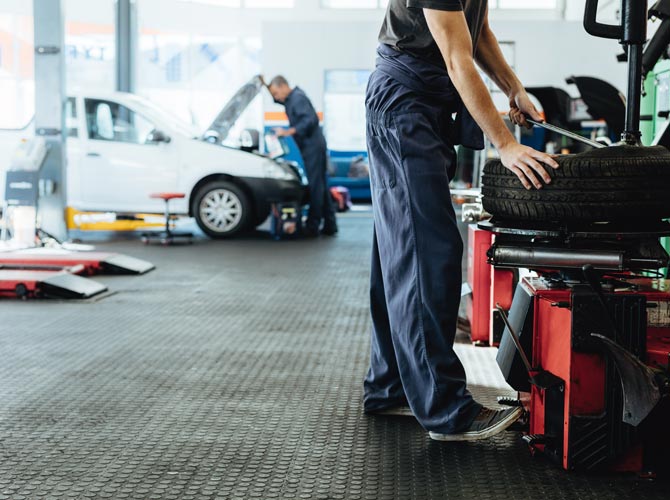
Collision-repair workshops depend on equipment that must remain accurate, safe and available under demanding conditions. Selecting an automotive repair equipment provider should therefore involve more than comparing machinery prices. Workshops need to assess technical support, compatibility, training, calibration and the supplier’s ability to support equipment throughout its working life.
Begin With the Repairs the Workshop Performs
Equipment should match the vehicle types, repair severity and throughput of the business.
A workshop focused on cosmetic damage may need different systems from one handling structural collision repair. Vehicle size, construction materials and manufacturer procedures all influence the tools required.
The assessment should include current work and future plans. A business expecting to secure manufacturer approvals or repair more electric vehicles may need different lifting, measuring and safety capabilities.
Floor space, power supply and compressed air should be reviewed before equipment is selected. A machine that fits on a plan may still restrict vehicle movement, parts storage or technician access.
The strongest investment supports the actual repair process rather than adding impressive equipment that remains underused.
Check Accuracy and Compatibility
Structural repair equipment must help technicians return vehicles to specified dimensions.
Measuring systems, fixtures, benches and pulling equipment should work together without forcing the workshop to create improvised solutions. Compatibility with current vehicle data is especially important as designs change.
Ask how measurements are verified and how frequently systems require calibration. The supplier should explain the tolerances, software requirements and procedures used to maintain accuracy.
Fixture availability can affect repair time. If vehicle-specific components are difficult to obtain, an otherwise capable bench may remain unavailable for certain jobs.
Workshops should also understand whether the equipment supports aluminium, high-strength steel and other modern materials without creating contamination or safety concerns.
Evaluate Training and Installation
Correct equipment can still produce poor results when technicians are not trained to use it.
Installation should include commissioning, safety checks and practical instruction. Training needs to cover ordinary operation, maintenance, calibration and the limits of the equipment.
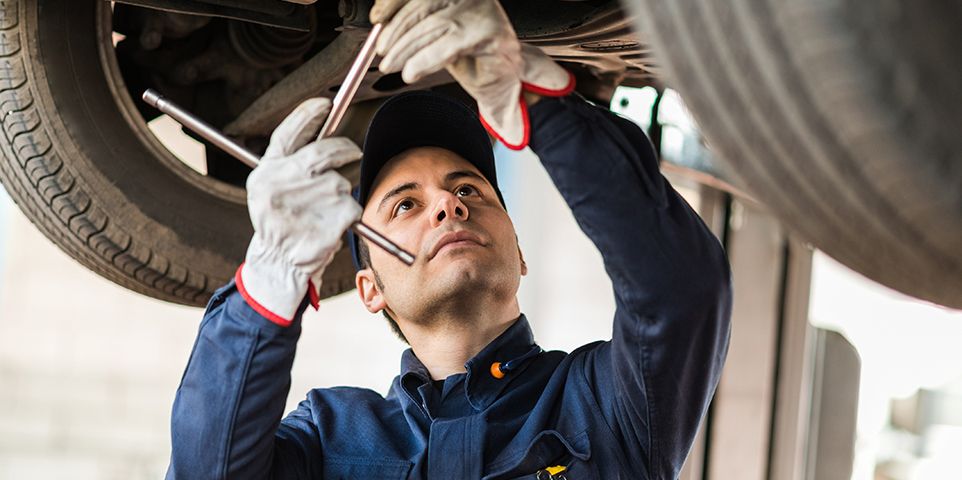
The workshop manager should know how new staff will be trained later. Access to manuals, refresher courses and technical advice reduces dependence on one experienced technician.
Equipment layout should be planned with the installer. Pulling directions, vehicle loading and technician access can be affected by where the machine sits within the workshop.
A supplier that understands workflow can often identify practical problems before the equipment is fixed permanently in place.
Review Service and Spare-Part Support
Downtime is expensive in a body shop. When a bench, lift or measuring system fails, repairs may stop while vehicles continue occupying working space.
Ask which parts are held locally, how service requests are prioritised and whether remote technical support is available. Response times should be clear rather than described vaguely.
Preventive maintenance can reduce failures and preserve accuracy. The supplier should explain which checks can be completed by the workshop and which require an authorised technician.
Software licences and updates also need attention. A low initial price may become less attractive when essential data or support requires unexpected annual charges.
Workshop equipment is a long-term operational asset. A capable provider supports the full repair process through accurate products, proper training and dependable service rather than treating the relationship as complete when the machine is delivered.