
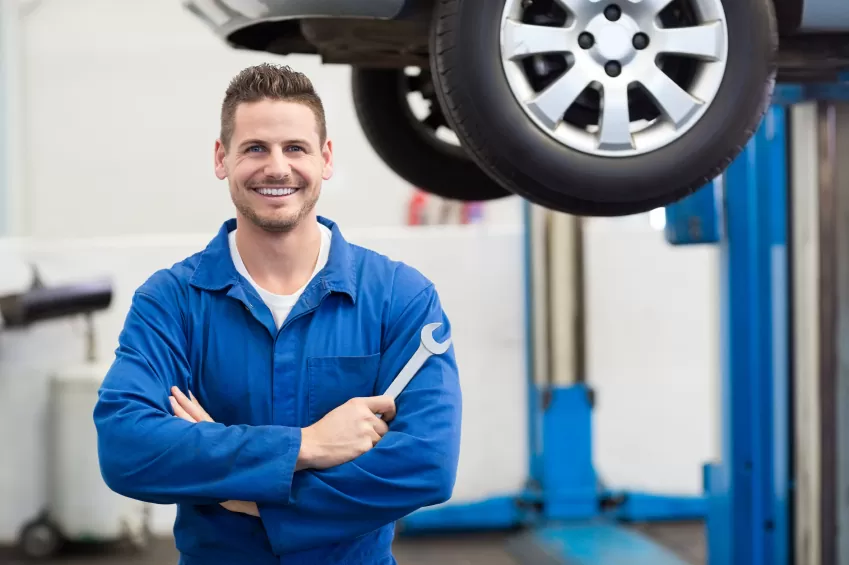
A vehicle is an important part of everyday life, helping people travel to work, manage errands, visit family, and enjoy longer journeys. Like any machine, however, a car needs regular attention to remain safe and dependable. Auto repair covers a wide range of services designed to identify problems, replace worn components, and restore a vehicle’s performance.
Understanding basic auto repair can help vehicle owners recognize warning signs, make informed maintenance decisions, and avoid expensive problems caused by neglect.
Why Regular Auto Repair Matters
Cars experience constant wear while they are being driven. Brakes are used repeatedly, engine components operate under high temperatures, tires meet different road surfaces, and fluids gradually become contaminated or depleted. Even a vehicle that appears to be working normally can develop issues that require attention.
Regular repair and maintenance can help:
- Improve vehicle safety
- Maintain dependable performance
- Reduce the risk of unexpected breakdowns
- Extend the useful life of major components
- Prevent small issues from becoming expensive repairs
- Support better fuel efficiency
Taking care of problems early is often more practical than waiting until a component fails completely.
Common Auto Repair Services
Auto repair shops handle many different mechanical and electrical problems. Some services are routine, while others are performed after a specific issue has been identified.
Brake repair is one of the most important services because braking directly affects safety. Worn brake pads, damaged rotors, or unusual noises should not be ignored. A professional inspection can determine whether components need adjustment, replacement, or further testing.
Engine repair can involve anything from replacing worn parts to addressing overheating, poor acceleration, unusual sounds, or reduced performance. Because the engine contains many interconnected components, accurate diagnosis is essential before repairs begin.
Battery and electrical services are also common. A weak battery, faulty alternator, damaged wiring, or malfunctioning starter can make a vehicle difficult or impossible to operate. Warning lights and intermittent electrical problems should be investigated rather than overlooked.
Other frequent services include:
- Tire inspection and replacement
- Wheel alignment
- Suspension repair
- Air conditioning service
- Transmission repair
- Oil and filter changes
- Cooling system maintenance
- Exhaust system repair
Recognizing Warning Signs
A vehicle often provides clues when something is not working correctly. Paying attention to these signs can help prevent more serious damage.
Unusual noises are one of the most noticeable warnings. Grinding, squealing, knocking, clicking, or rattling sounds may indicate a mechanical problem. Changes in steering can also be important. If the vehicle pulls to one side, vibrates excessively, or feels difficult to control, professional inspection may be necessary.
Dashboard warning lights should also receive attention. While some warnings may relate to relatively minor issues, others can indicate problems that could affect engine operation, braking, or other important systems.
Other warning signs include fluid leaks, burning smells, reduced fuel economy, difficulty starting, excessive smoke, and changes in acceleration.
Choosing a Reliable Auto Repair Shop
Selecting the right repair shop can make the repair process easier and more transparent. A good shop should provide clear information about the problem, explain the recommended work, and give an estimate before major repairs are performed.
When comparing repair shops, consider factors such as:
- Technician experience and qualifications
- Quality of replacement parts
- Diagnostic equipment
- Warranty or guarantee policies
- Communication and customer service
- Transparency about pricing
- Clean and professional working practices
A trustworthy repair professional should be willing to answer questions without using confusing technical language.
The Importance of Preventive Maintenance
Auto repair is not only about fixing broken parts. Preventive maintenance can reduce the likelihood of major failures by identifying wear before it becomes a serious problem.
Oil changes, fluid inspections, tire checks, brake inspections, and scheduled servicing all contribute to long-term vehicle reliability. Following the manufacturer’s maintenance recommendations is a useful starting point, although driving conditions and vehicle age may affect how frequently certain services are needed.
Regular inspections are particularly valuable for older vehicles. Components that have operated for many years may require closer attention even when the car continues to run normally.
Balancing Cost and Quality
Vehicle repairs can sometimes be expensive, but choosing the cheapest option is not always the best approach. Low-quality parts or incomplete repairs may lead to repeated problems and additional expenses.
A better approach is to consider the overall value of the repair. Quality parts, skilled labor, accurate diagnosis, and proper installation can provide greater reliability over time.
Vehicle owners should also ask for a clear breakdown of labor, parts, and additional charges. Understanding the proposed work makes it easier to compare options and avoid unnecessary services.
Keeping Your Vehicle in Good Condition
Good driving habits can also support vehicle health. Avoiding aggressive acceleration, paying attention to warning signs, maintaining proper tire pressure, and following regular service schedules can reduce unnecessary strain on important components.
Keeping basic records of repairs and maintenance is another useful habit. These records can help owners track completed work, plan future services, and provide useful information when a new problem develops.
Conclusion
Auto repair plays an important role in keeping vehicles safe, reliable, and efficient. From brake and engine work to electrical repairs and routine maintenance, professional care helps address problems before they become larger concerns.
Vehicle owners who pay attention to warning signs, follow maintenance schedules, and choose dependable repair professionals can protect their investment while enjoying greater confidence on the road. A little attention today can prevent significant inconvenience and expense tomorrow.