
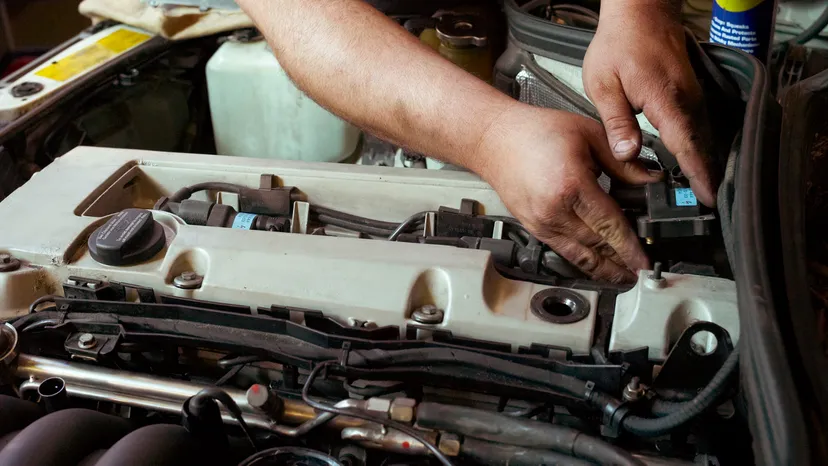
Every vehicle depends on hundreds of individual components working together smoothly. From the engine and transmission to the brakes, tires, lights, and electrical systems, each part has a specific role in keeping a car safe and functional. Understanding basic car parts can help vehicle owners recognize maintenance needs, communicate more effectively with technicians, and make better decisions when replacements are required.
Whether you drive a new vehicle or an older model, knowing how important components work together can make vehicle ownership easier and more manageable.
What Are Car Parts?
Car parts are the individual components used to build, operate, maintain, and repair a vehicle. Some parts are designed to provide power, while others control movement, protect passengers, improve comfort, or support safety.
Certain components can last for many years, while others naturally wear out and require periodic replacement. Brake pads, filters, spark plugs, belts, wiper blades, and tires are examples of parts that may need regular attention.
The condition of these components can have a direct effect on vehicle performance and reliability.
Major Engine Components
The engine is one of the most complex systems in a vehicle. It contains numerous moving parts that must operate together under demanding conditions.
Important engine components include pistons, cylinders, valves, spark plugs, belts, and filters. Each contributes to the process of producing power and maintaining efficient operation.
If an engine component becomes worn or damaged, drivers may notice symptoms such as reduced acceleration, unusual sounds, increased fuel consumption, or difficulty starting.
Regular maintenance helps identify worn components before they cause more serious problems.
Braking Components
A reliable braking system is essential for road safety. Several car parts work together to slow and stop a vehicle effectively.
Common braking components include:
- Brake pads
- Brake rotors
- Brake calipers
- Brake lines
- Brake fluid
- Master cylinder
Brake pads gradually wear through normal use. If they become too thin, they may reduce braking performance or damage other components. Grinding, squealing, vibration, or changes in pedal feel should be checked promptly.
Suspension and Steering Parts
Suspension components help keep the vehicle stable while absorbing bumps and uneven road surfaces. Steering components allow the driver to control direction.
Important parts may include shock absorbers, struts, springs, control arms, steering links, and related joints.
Problems with these components can produce excessive bouncing, uneven tire wear, unusual noises, or difficulty maintaining a straight path. Proper inspection can determine whether individual parts need adjustment or replacement.
Electrical and Electronic Components
Modern vehicles rely heavily on electrical and electronic systems. The battery supplies power for starting and supports various electrical functions, while the alternator helps maintain the vehicle’s electrical supply while the engine is running.
Other electrical components include starters, fuses, wiring, sensors, switches, lights, and electronic control modules.
A problem with one electrical component can sometimes affect several systems. For example, a weak battery may cause starting problems, while a damaged sensor may trigger a dashboard warning.
Professional diagnosis can help identify the actual source of an electrical fault.
Filters and Maintenance Parts
Some car parts are specifically designed to keep other systems clean and protected. Filters are particularly important because contaminants can interfere with proper operation.
Common filters include engine air filters, oil filters, fuel filters, and cabin air filters. Their replacement intervals vary depending on the vehicle and driving conditions.
Replacing filters when required can help support engine efficiency, air quality inside the cabin, and overall system performance.
Choosing Replacement Parts
When a component needs replacement, vehicle owners may encounter different types of parts. Original equipment parts are designed to match the specifications used by the vehicle manufacturer. Aftermarket parts are produced by other companies and may offer additional choices in price, design, or performance.
The right choice depends on the vehicle, component, budget, and intended use. Safety-critical components deserve particular attention to quality and compatibility.
Before purchasing a replacement, confirm that the part matches the vehicle’s make, model, year, engine, and specific configuration.
Signs That a Part May Need Replacement
Vehicles often provide warning signs when components begin to fail. Recognizing these signs can prevent minor problems from developing into larger repairs.
Look out for:
- Unusual noises or vibrations
- Dashboard warning lights
- Fluid leaks
- Difficulty starting
- Reduced braking performance
- Uneven tire wear
- Poor acceleration
- Changes in steering behavior
- Excessive smoke or unusual smells
These symptoms do not always identify a specific failed part. Professional inspection may be necessary to determine the actual cause.
Proper Installation Matters
Even a high-quality replacement component may not perform correctly if it is installed improperly. Some parts require specialized tools, precise measurements, or manufacturer-specific procedures.
For complex systems such as engines, transmissions, brakes, steering, and electrical controls, professional installation can reduce the risk of further damage.
After installation, technicians should also test the affected system to confirm that it is operating correctly.
Maintaining Car Parts for Longer Life
Good driving and maintenance habits can help components last longer. Following the recommended service schedule, checking fluid levels, maintaining proper tire pressure, and responding quickly to warning signs can reduce unnecessary wear.
Avoiding aggressive driving and excessive loads can also reduce stress on the engine, transmission, suspension, and braking systems.
Keeping maintenance records is another useful practice. A detailed record makes it easier to determine when parts were replaced and when future inspections may be necessary.
Conclusion
Car parts are the foundation of every vehicle, and each component contributes to performance, comfort, reliability, or safety. Understanding major systems can help drivers recognize potential problems and make informed maintenance decisions.
When replacement becomes necessary, choosing compatible, quality components and ensuring proper installation are both important. With regular inspections and responsible maintenance, vehicle owners can protect essential parts, reduce unexpected breakdowns, and enjoy safer and more dependable driving for years to come.