
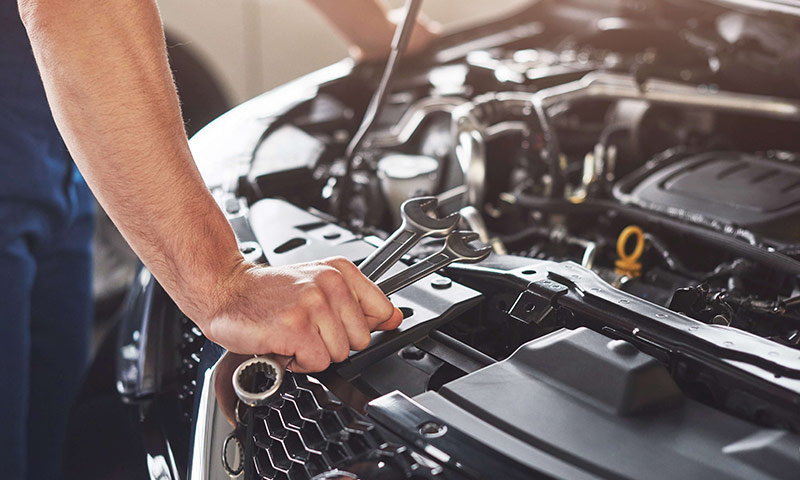
A car is made up of many interconnected systems, and every system depends on individual components to function properly. From the engine that creates power to the brakes that bring the vehicle to a safe stop, car parts play an essential role in everyday driving. Some components require regular maintenance, while others may last for many years before replacement becomes necessary.
Understanding the purpose of common vehicle components can help owners identify potential problems, plan maintenance, and make sensible choices when repairs are needed.
Understanding the Importance of Car Parts
A vehicle cannot operate reliably if its individual components are neglected. Even a small part can influence the performance of a much larger system. For example, a damaged belt can affect engine operation, while worn brake pads can compromise stopping performance.
Car parts generally fall into several categories, including:
- Engine and transmission components
- Braking and suspension components
- Steering parts
- Electrical and electronic components
- Cooling and exhaust components
- Tires and wheels
- Interior and exterior accessories
Each category has a different purpose, but all of them contribute to the overall condition of the vehicle.
Engine Components
The engine contains numerous parts that work together to convert fuel or electrical energy into motion. In conventional vehicles, pistons, cylinders, valves, spark plugs, belts, filters, and other components are involved in this process.
Because engines operate under significant heat and pressure, some components naturally experience wear. Warning signs may include unusual noises, rough idling, poor acceleration, increased fuel consumption, or difficulty starting.
Regular oil changes, filter replacements, and inspections can help protect engine components and identify developing issues before they become major repairs.
Transmission Parts
The transmission transfers power from the engine to the wheels and allows the vehicle to operate at different speeds. Depending on the vehicle, it may use an automatic, manual, or other transmission design.
Transmission components can include gears, clutches, shafts, bearings, seals, and electronic controls. Problems may appear as delayed engagement, unusual noises, slipping, harsh shifting, or difficulty changing gears.
Because transmission repairs can be complex, unusual behavior should be investigated early rather than ignored.
Brake Components
Brakes are among the most important safety-related systems in a vehicle. They rely on several components working together to create controlled stopping power.
Common brake parts include:
- Brake pads
- Brake discs or rotors
- Calipers
- Brake lines
- Brake fluid
- Master cylinders
Brake components wear at different rates depending on driving habits, traffic conditions, vehicle weight, and other factors. Squealing, grinding, vibrations, or a change in pedal response may indicate that an inspection is necessary.
Suspension and Steering Components
Suspension parts help maintain stability, ride comfort, and tire contact with the road. Steering components allow drivers to control the direction of the vehicle.
Shock absorbers, struts, springs, control arms, ball joints, tie rods, and related components may all contribute to these functions.
Worn suspension or steering parts can cause excessive bouncing, uneven tire wear, steering difficulty, or unusual sounds when driving over uneven surfaces. Timely inspection can help prevent further damage and maintain predictable handling.
Electrical and Electronic Parts
Modern vehicles contain extensive electrical systems. Batteries, alternators, starters, wiring, fuses, sensors, switches, and electronic control units all contribute to vehicle operation.
Electrical problems can be difficult to identify because one faulty component may affect several functions. A vehicle that struggles to start, has flickering lights, or displays unexplained warning messages may require professional diagnosis.
Replacing a battery without identifying the underlying problem may not solve an issue if the actual cause involves the charging system or another electrical component.
Cooling and Exhaust Components
The cooling system helps regulate engine temperature. Radiators, cooling fans, hoses, thermostats, water pumps, and coolant all have important roles.
If the cooling system fails, an engine may overheat and suffer serious damage. Warning signs can include rising temperature readings, coolant leaks, unusual smells, or steam.
The exhaust system directs gases away from the engine and helps control emissions and noise. Components such as exhaust pipes, mufflers, catalytic components, and related sensors may require inspection as a vehicle ages.
Choosing Replacement Parts
When a vehicle needs a replacement component, compatibility should be a priority. The correct part depends on the vehicle’s make, model, year, engine, and configuration.
Vehicle owners may encounter original equipment parts and aftermarket alternatives. Some aftermarket components can provide excellent performance, but quality and compatibility can vary.
For safety-critical systems, selecting dependable components is particularly important. When uncertain, consulting a qualified technician can help determine which option is appropriate.
When Should Parts Be Replaced?
Not every component needs replacement simply because a vehicle reaches a certain age. Some parts are replaced according to mileage or service schedules, while others are changed when inspection reveals excessive wear.
Common signs that a part may need attention include:
- Unusual sounds
- Warning lights
- Fluid leaks
- Reduced performance
- Vibrations
- Poor handling
- Difficulty starting
- Changes in braking
- Uneven tire wear
A symptom does not always identify the failed component. Proper diagnosis is important before purchasing replacement parts.
Installation and Maintenance
Correct installation is just as important as choosing the right component. Incorrectly installed parts can cause additional damage or fail prematurely.
Complex components should generally be installed by trained professionals who have the appropriate tools and technical knowledge. After installation, the affected system should be inspected and tested.
Regular maintenance can also extend the life of many components. Checking fluid levels, maintaining tire pressure, following service schedules, and responding to warning signs can reduce unnecessary wear.
Buying Car Parts Responsibly
Vehicle owners should avoid purchasing parts based solely on the lowest price. A cheap component may not provide the durability or compatibility needed for reliable operation.
Before buying, check the exact vehicle specifications and understand the return or warranty conditions. Keeping invoices and part information can also be useful for future maintenance.
For important repairs, professional advice can prevent the expense of buying the wrong component.
Conclusion
Car parts work together to keep a vehicle safe, comfortable, and dependable. Understanding major components makes it easier for owners to recognize warning signs and appreciate the importance of regular maintenance.
Whether replacing a worn brake component, servicing an engine, or addressing an electrical problem, quality parts and correct installation matter. With proper care, timely inspections, and informed replacement decisions, drivers can help their vehicles perform reliably while reducing the likelihood of unexpected breakdowns.