
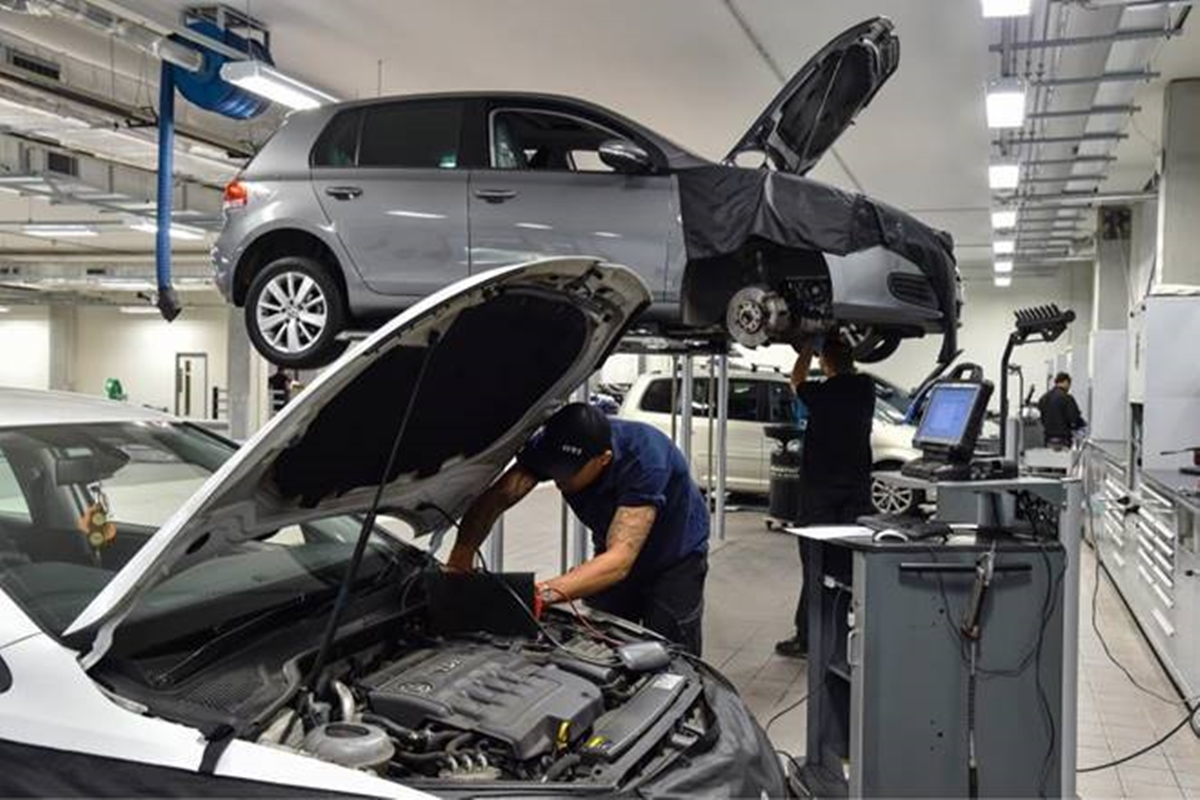
Auto repair is an unavoidable part of car ownership. While some drivers enjoy rolling up their sleeves and fixing minor issues themselves, others prefer the expertise and assurance of a professional mechanic. The decision often comes down to cost, convenience, and the complexity of the repair. In this guide, we’ll break down the advantages and disadvantages of both approaches, giving car owners a clear understanding of when it’s safe to handle repairs at home and when professional intervention is necessary.
Why Auto Repair Matters
Regardless of who performs the service, auto repair is about keeping your vehicle safe, efficient, and reliable. Neglecting even minor issues can cause long-term damage, reduce fuel efficiency, and put drivers at risk. Auto repair isn’t just a mechanical task—it’s an investment in safety and vehicle longevity.
The Appeal of DIY Auto Repair
For many car owners, doing repairs at home is both a hobby and a cost-saving strategy. Modern tutorials, repair manuals, and instructional videos make it easier than ever to learn basic car maintenance. The appeal of DIY auto repair lies in several key benefits:
-
Cost Savings: Labor costs are eliminated when you do the job yourself.
-
Convenience: No need to schedule appointments or wait at repair shops.
-
Learning Experience: DIY fosters mechanical knowledge and confidence.
-
Control Over Parts: Car owners can choose exactly what parts to install.
Simple jobs such as replacing wiper blades, air filters, or spark plugs are perfect for DIY enthusiasts.
Limitations of DIY Auto Repair
Despite its benefits, DIY auto repair has significant limitations. Many repairs require specialized tools, professional training, or advanced diagnostic equipment. Mistakes can be dangerous and costly. Some drawbacks include:
-
Lack of Expertise: Incorrect repairs can lead to bigger problems.
-
Safety Concerns: Jobs involving brakes, airbags, or fuel systems can be hazardous.
-
Time Commitment: DIY projects can take hours longer than a professional repair.
-
Limited Tools: High-quality diagnostic scanners, hydraulic lifts, and specialized tools are expensive and rarely owned by individuals.
-
No Warranty: Professional shops typically provide warranties on labor and parts. DIY repairs do not.
DIY is best suited for simple tasks. More complex systems, such as transmissions or electronics, should be left to experts.
The Value of Professional Auto Repair
Professional mechanics bring years of training, experience, and certification. Their access to tools and diagnostic software allows them to pinpoint issues quickly and accurately. Some clear advantages of professional repair include:
-
Expertise and Accuracy: Certified technicians can handle complex repairs with precision.
-
Advanced Tools: Shops have access to lifts, scanners, and specialty equipment.
-
Warranty Protection: Most professional services include guarantees for both labor and parts.
-
Time Efficiency: Professionals complete repairs faster, reducing downtime.
-
Peace of Mind: Knowing the job was done correctly provides safety and confidence.
For issues involving electrical systems, engine diagnostics, suspension, or transmission, professional service is the only smart choice.
Comparing DIY and Professional Repair Costs
Cost is the main reason many car owners consider DIY repair. Labor charges at professional shops often make up 50% or more of the bill. However, mistakes in DIY repairs can end up costing more in the long run.
-
DIY Example: Replacing brake pads at home might cost $100 in parts.
-
Professional Example: The same job at a shop might cost $250 with labor.
But if a DIY repair is done incorrectly and damages the rotors, the repair could escalate to $600 or more. This balance between risk and savings is why many car owners choose DIY for small jobs and professional help for critical systems.
Which Repairs Are Best for DIY?
Some repairs are low-risk and easy to handle at home. With basic tools and patience, car owners can successfully perform:
-
Replacing windshield wipers
-
Changing cabin or engine air filters
-
Swapping out headlights or taillights
-
Installing a new battery
-
Checking and topping up fluids
-
Changing engine oil (if confident and properly equipped)
These tasks require minimal skill but offer noticeable savings.
Which Repairs Require a Professional?
Professional expertise is essential for complex, safety-critical, or electronically controlled systems. These include:
-
Brake Repairs: Incorrect brake service can be life-threatening.
-
Transmission Work: Requires advanced tools and technical expertise.
-
Suspension and Steering: Incorrect repairs affect handling and safety.
-
Airbag Systems: Involves sensitive electronics and safety devices.
-
Engine Repairs: Diagnosing and fixing engine issues is highly technical.
-
Hybrid and Electric Vehicles: High-voltage systems require certified specialists.
Attempting these at home risks both safety and expensive damage.
The Role of Technology in Modern Repairs
Today’s vehicles are far more advanced than cars from just 20 years ago. Computerized systems, advanced sensors, and electric drivetrains make auto repair more technical than ever. Diagnostic tools can detect faults that the human eye cannot see. For DIY enthusiasts, this technological shift creates a barrier, while for professionals, it reinforces their importance in maintaining vehicle reliability.
Striking a Balance Between DIY and Professional Services
For many car owners, the best approach is a mix of both methods. Handle the simple, low-risk tasks at home to save money and time. Leave complex, safety-critical, and high-tech systems to certified mechanics. This balance allows drivers to enjoy the satisfaction of DIY while ensuring their vehicle’s most important systems are properly cared for.
Building Trust with Auto Repair Professionals
Even if you enjoy DIY projects, having a trusted mechanic is essential. A professional shop can provide annual inspections, offer advice, and handle repairs you’re not equipped to manage. Building a relationship with a reliable mechanic also means better service, fair pricing, and peace of mind knowing your car is always in safe hands.
FAQs About DIY vs Professional Auto Repair
1. What tools do I need for basic DIY auto repair?
Essential tools include a jack, wrenches, screwdrivers, pliers, and an oil drain pan.
2. Can I save money by doing my own oil changes?
Yes, but savings are modest. DIY oil changes cost about half of professional service, though disposal of old oil must be handled properly.
3. Is DIY auto repair safe?
Yes, if limited to basic tasks. Repairs involving brakes, suspension, or electronics should be left to professionals.
4. Why do professional shops charge so much for labor?
Rates include technician expertise, diagnostic tools, shop overhead, and warranty coverage.
5. Can I perform repairs on electric vehicles at home?
Only very basic tasks, like changing wipers or filters. High-voltage systems require certified technicians.
6. How do I know if I should attempt a DIY repair?
If the task involves minimal safety risk, is clearly explained in manuals, and requires only basic tools, it may be safe to attempt.
7. What is the biggest risk of DIY auto repair?
Mistakes can compromise safety or cause additional damage, leading to higher repair costs.