
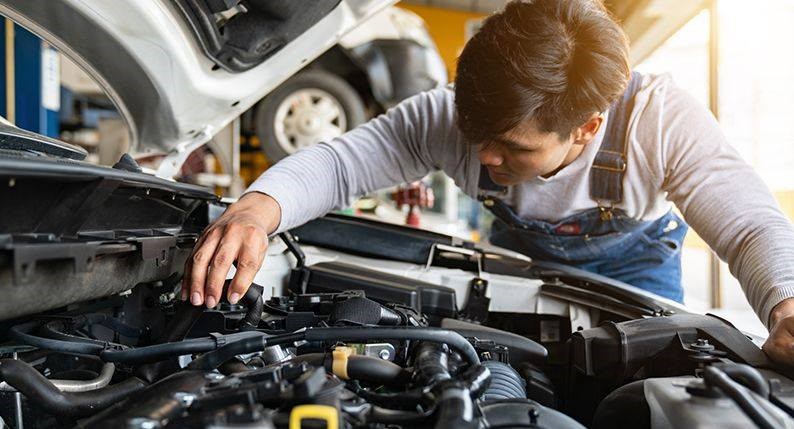
Auto Repair Costs and Money-Saving Tips
Car ownership is rewarding, but it comes with inevitable expenses, including auto repair and maintenance. Whether it’s an unexpected breakdown or a scheduled service, understanding auto repair costs can help drivers budget better and avoid financial stress. This guide breaks down typical repair prices, cost-saving tips, and strategies for getting the most value from every visit to the repair shop.
Why Auto Repair Costs Vary So Much
One of the biggest frustrations for drivers is inconsistent pricing. Two shops might quote different amounts for the same job, leaving car owners confused. Several factors influence repair costs:
-
Vehicle Make and Model: Luxury and imported vehicles usually require more expensive parts and labor than domestic or economy models.
-
Labor Rates: Shops in urban areas often charge higher hourly rates due to higher operating costs.
-
Part Quality: Using original manufacturer parts (OEM) costs more than aftermarket alternatives, but may last longer.
-
Complexity of the Job: A simple oil change is quick and affordable, while engine or transmission repairs can take many hours and thousands of dollars.
-
Technology and Electronics: Modern cars include advanced sensors and computer systems, requiring specialized tools and training.
Understanding these variables prepares car owners for realistic estimates and helps them make informed choices.
Average Auto Repair Costs by Service
Auto repair bills can be unpredictable, but knowing average costs helps drivers plan ahead. Here are common services and their typical ranges:
-
Oil Change: $50–$100 depending on oil type (conventional or synthetic).
-
Brake Pad Replacement: $150–$300 per axle. If rotors need replacing, the cost can double.
-
Battery Replacement: $100–$250, depending on brand and capacity.
-
Tire Services: $20–$100 for balancing, $75–$150 for alignment, and $400–$800 for a full set of tires.
-
Air Conditioning Repair: $200–$1,000 depending on whether it’s a recharge, compressor replacement, or major system fix.
-
Transmission Repair: $1,000–$3,500 for rebuilding or replacement.
-
Engine Repair: Minor fixes might cost a few hundred, while a full replacement can exceed $5,000.
While these are averages, regional pricing and car type play a significant role.
How Preventive Maintenance Reduces Costs
The old saying “an ounce of prevention is worth a pound of cure” applies perfectly to auto repair. Preventive maintenance keeps vehicles running smoothly and prevents major breakdowns. Regular services such as oil changes, tire rotations, and brake inspections cost far less than repairing damage caused by neglect.
For example, skipping a $100 oil change might lead to engine failure requiring thousands in repairs. Likewise, failing to rotate tires every 6,000 miles can shorten their lifespan, forcing earlier replacements. Drivers who follow the manufacturer’s service schedule typically save hundreds, if not thousands, over the car’s lifetime.
DIY Repairs vs Professional Services
Many car owners consider do-it-yourself repairs to save money. While some tasks are safe and manageable at home, others should always be left to professionals.
DIY-Friendly Repairs:
-
Replacing windshield wipers
-
Installing air filters
-
Changing spark plugs (on accessible engines)
-
Replacing headlights or taillights
Professional Repairs:
-
Brake system repairs
-
Transmission work
-
Electrical diagnostics
-
Suspension and steering components
-
Anything involving airbags or safety systems
DIY can reduce costs, but mistakes often end up costing more. Professional services ensure quality, safety, and often come with warranties.
Tips to Save Money on Auto Repairs
Car repairs don’t have to break the bank. Here are proven ways to manage costs effectively:
-
Get Multiple Estimates: Always compare quotes from at least two or three shops.
-
Build a Relationship with a Trusted Mechanic: Long-term customers often receive better pricing and priority service.
-
Choose Preventive Over Reactive Repairs: Fixing issues early avoids higher costs later.
-
Use Quality Parts Strategically: OEM parts are best for safety systems, but aftermarket parts can be cost-effective for less critical components.
-
Learn Basic Maintenance: Checking fluids, tire pressure, and replacing filters yourself can cut small expenses.
-
Watch for Seasonal Discounts: Many shops offer winter and summer maintenance packages at reduced rates.
-
Maintain Proper Driving Habits: Smooth acceleration, braking, and avoiding potholes extend the life of car parts.
The Impact of Technology on Repair Costs
Technology is both a blessing and a challenge for auto repair costs. On the one hand, advanced diagnostics reduce the time needed to identify problems, saving labor charges. On the other hand, repairs involving sensors, onboard computers, and hybrid or electric vehicle components can be expensive.
Electric vehicles, for example, have fewer moving parts but their battery systems are costly to repair. Software updates are becoming as common as mechanical adjustments, requiring technicians with specialized training.
How to Choose the Right Auto Repair Shop
Selecting the right shop is just as important as the repair itself. A reliable shop ensures quality work, fair pricing, and long-term vehicle health. Here are factors to consider:
-
Certifications: Look for mechanics with professional certifications from recognized organizations.
-
Transparency: Shops that provide written estimates and explain repairs clearly build trust.
-
Warranty: A strong warranty on parts and labor shows confidence in their work.
-
Customer Service: Courteous staff and clear communication are signs of professionalism.
-
Cleanliness and Organization: Well-kept shops often reflect attention to detail in repairs.
Finding a trustworthy mechanic saves both money and stress over the years.
Balancing Cost and Value in Auto Repair
The cheapest option isn’t always the best. Low-cost repairs may use substandard parts or cut corners, leading to repeat problems. On the other hand, the most expensive shop isn’t necessarily superior. The key is balance: fair pricing combined with skilled labor and quality parts. Car owners should aim for value, not just the lowest bill.
FAQs About Auto Repair Costs
1. Why do labor rates differ between repair shops?
Rates vary due to location, shop overhead, and technician experience. Urban shops often charge more than rural ones.
2. Is it worth paying extra for OEM parts?
Yes, especially for safety-related components like brakes and airbags. For other parts, aftermarket options may be sufficient.
3. How can I avoid surprise repair bills?
Stick to a preventive maintenance schedule and address dashboard warning lights immediately.
4. Do independent shops cost less than dealerships?
Generally yes, though dealerships may provide specialized expertise for certain makes.
5. Are extended warranties worth it?
They can be, especially for high-mileage drivers or expensive vehicles. Always compare coverage details before purchasing.
6. What is the most expensive auto repair?
Engine and transmission replacements are among the costliest, often exceeding $3,000.
7. How do I know if a repair quote is fair?
Compare estimates, research average costs for your area, and ask for a detailed breakdown of parts and labor.