
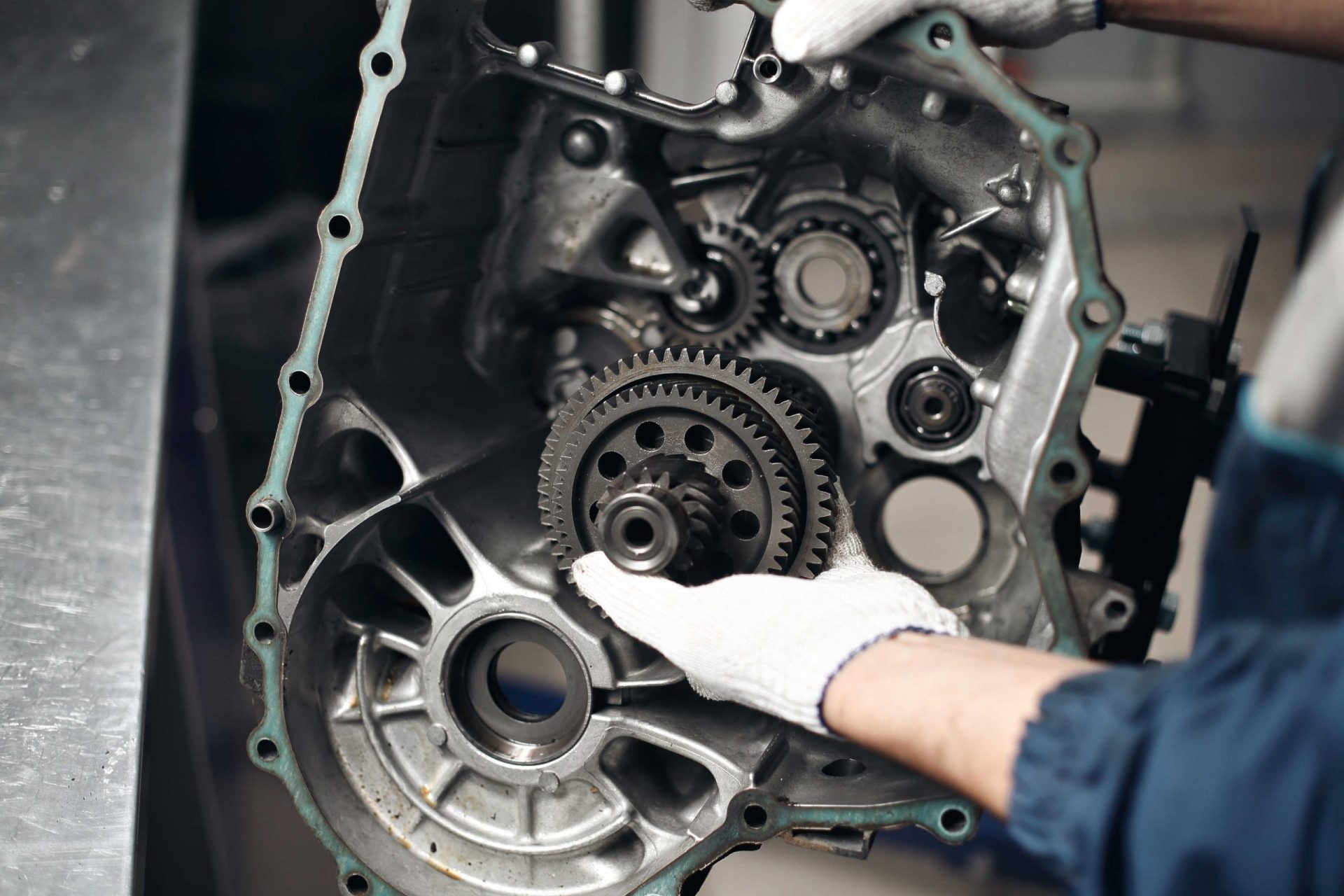
A vehicle’s transmission is one of its most complex and expensive components. When properly maintained, it can last the life of the vehicle. When neglected, it often becomes a major source of breakdowns and costly repairs. Preventative transmission care focuses on early action, smart driving habits, and routine service to keep this vital system operating smoothly for years.
Why Preventative Transmission Care Matters
Transmissions operate under intense heat, pressure, and friction. Unlike sudden failures, most transmission problems develop gradually and silently.
Preventative care helps:
- Reduce internal wear and heat damage
- Maintain smooth gear changes
- Prevent unexpected and expensive repairs
Consistent attention keeps minor issues from turning into major failures.
Maintain Proper Transmission Fluid Health
Transmission fluid is essential for lubrication, cooling, and hydraulic operation. Over time, it degrades and becomes contaminated.
Healthy transmission fluid should:
- Maintain proper viscosity
- Remain clean and free of debris
- Provide consistent hydraulic pressure
Regular inspections ensure fluid levels and condition stay within safe operating limits.
Follow the Correct Service Schedule
Service intervals vary depending on vehicle design, transmission type, and driving conditions.
Factors That Shorten Service Intervals
- Frequent stop-and-go driving
- Towing or hauling heavy loads
- Extreme heat or cold climates
Following manufacturer guidelines—and adjusting for driving conditions—helps extend transmission life.
Avoid Excessive Heat Buildup
Heat is the leading cause of transmission failure. High temperatures break down fluid and damage internal components.
Ways to reduce transmission heat include:
- Avoiding aggressive acceleration
- Using the correct transmission fluid
- Ensuring cooling systems function properly
Keeping temperatures controlled significantly slows internal wear.
Practice Transmission-Friendly Driving Habits
Driving style has a direct impact on transmission longevity.
Smart Driving Practices
- Come to a complete stop before shifting gears
- Avoid sudden gear changes
- Use lower gears when towing or driving uphill
Smooth, deliberate driving reduces strain on gears, clutches, and seals.
Address Warning Signs Early
Transmissions often give subtle warnings before serious damage occurs.
Early symptoms may include:
- Delayed or rough shifting
- Slipping between gears
- Unusual noises or vibrations
Prompt inspection at the first sign of trouble can prevent extensive internal damage.
Keep Related Systems in Good Condition
The transmission doesn’t work alone. Supporting systems play a critical role in its health.
Supporting Components to Monitor
- Engine performance and cooling system
- Drivetrain and differential components
- Electrical sensors and control modules
Problems elsewhere can place additional stress on the transmission if left unresolved.
Choose Professional Inspections Over Guesswork
Modern transmissions rely on advanced electronics and precise tolerances. Professional diagnostics ensure accurate assessments.
Professional inspections help:
- Identify developing issues early
- Prevent unnecessary part replacements
- Maintain long-term reliability
Expert evaluation is a key part of preventative transmission care.
Long-Term Benefits of Preventative Transmission Maintenance
Investing in preventative care delivers significant long-term rewards.
Key benefits include:
- Extended transmission lifespan
- Lower repair and replacement costs
- Smoother, more reliable driving experience
Preventative maintenance costs far less than transmission replacement and helps preserve overall vehicle value.
FAQs
How long can a well-maintained transmission last?
With proper care, many transmissions last well beyond 150,000 miles and often much longer.
Is transmission maintenance different for automatic and manual vehicles?
Yes. Each type uses different fluids and service procedures, requiring specific care.
Does towing significantly reduce transmission lifespan?
It can if precautions aren’t taken, such as proper fluid service and cooling support.
Can driving habits really affect transmission health?
Absolutely. Smooth shifting and controlled acceleration reduce internal stress and wear.
Are transmission problems always expensive to fix?
Early-stage issues are often manageable and affordable when caught early.
Is transmission fluid inspection enough without changing it?
Inspection is essential, but fluid replacement is necessary once degradation begins.
What’s the biggest mistake drivers make with transmission care?
Assuming the transmission is maintenance-free and ignoring early warning signs.