
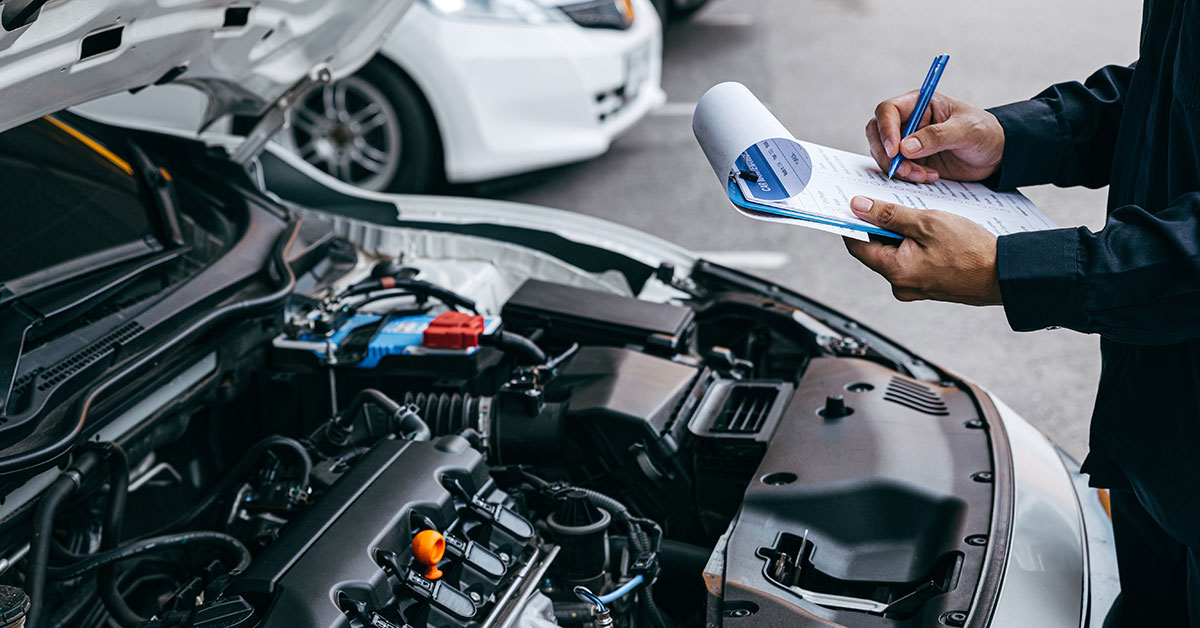
A dependable vehicle makes everyday travel easier, but even the best-maintained car eventually needs professional attention. Auto repair involves diagnosing mechanical, electrical, and safety-related problems and restoring the vehicle to proper working condition. From routine servicing to major repairs, timely care can improve reliability, performance, and driving safety.
Knowing the basics of vehicle maintenance helps owners make better decisions and recognize potential problems before they become serious.
The Role of Auto Repair
Every vehicle contains numerous systems that work together. The engine produces power, the transmission transfers that power, the braking system provides stopping control, and the suspension helps maintain stability and comfort. Electrical components support everything from starting the engine to operating lights, sensors, and entertainment systems.
Because these systems experience regular use, certain components naturally wear down. Auto repair addresses this wear through inspection, diagnosis, adjustment, replacement, and testing.
Ignoring a small issue can sometimes result in more extensive damage. For example, delaying brake service may affect additional components, while continuing to drive with an overheating engine can lead to expensive repairs.
Common Vehicle Problems
Some repair needs are more common than others. Recognizing them can help drivers respond quickly when something changes.
Brake Problems
Brakes should always receive immediate attention when they behave differently. Squealing, grinding, vibrations, or a soft brake pedal can indicate worn or damaged components. Regular inspections help identify problems before braking performance is seriously affected.
Engine Issues
Engine problems can appear in many forms. Difficulty starting, unusual noises, rough idling, reduced power, excessive smoke, or poor fuel economy may indicate an underlying issue. Because modern engines rely on numerous sensors and electronic controls, proper diagnosis is often necessary before repairs are recommended.
Battery and Electrical Failures
A vehicle may struggle to start because of a weak battery, charging problem, starter issue, or electrical fault. Flickering lights, repeated starting difficulties, and malfunctioning electrical accessories can also signal a problem.
Tire and Suspension Concerns
Uneven tire wear, excessive vibration, unusual steering behavior, or a vehicle that pulls to one side may be related to tires, wheel alignment, suspension components, or steering systems. Addressing these concerns can improve both handling and safety.
Why Professional Diagnosis Matters
Modern vehicles are more technologically advanced than older models. Many use computerized systems to monitor engine performance, emissions, transmission operation, and safety features. A warning light does not always identify the exact component that has failed.
Professional technicians use diagnostic equipment alongside visual inspections and practical testing. This combination can help identify the underlying cause instead of simply treating a symptom.
Accurate diagnosis is especially important when a problem appears intermittently. A vehicle might operate normally during one trip but experience starting, electrical, or performance issues later. Detailed testing can help uncover faults that are difficult to reproduce.
Preventive Maintenance Saves Trouble
Good auto repair practices include more than fixing problems after they occur. Preventive maintenance helps reduce unexpected failures and keeps major systems operating properly.
Important maintenance tasks may include:
- Changing engine oil and filters
- Checking brake components
- Inspecting tires and maintaining proper pressure
- Checking engine and transmission fluids
- Inspecting belts and hoses
- Testing the battery
- Replacing worn windshield wipers
- Checking lights and essential safety equipment
The correct service schedule depends on the vehicle, its age, mileage, and driving conditions. Following the manufacturer’s recommendations provides a useful foundation.
Selecting a Good Repair Shop
Choosing a repair shop is an important part of maintaining a vehicle. A professional business should communicate clearly, explain the recommended repairs, and provide an estimate before beginning significant work.
Experience is another valuable consideration. Technicians who regularly work with a particular type of vehicle may have greater familiarity with its common problems and service requirements.
Customers should also ask about replacement parts and warranties. Understanding whether a repair includes any guarantee can provide additional confidence.
A reliable repair shop should never pressure customers into unnecessary work. Instead, it should explain which repairs are urgent, which can wait, and why each recommendation has been made.
When Should You Seek Repairs?
Some problems require immediate attention. If the brakes feel unreliable, the engine overheats, steering becomes difficult, or a serious warning light appears, continuing to drive may be unsafe.
Other issues may develop gradually. A slight vibration, minor fluid leak, reduced fuel economy, or occasional starting difficulty may seem unimportant at first. However, these changes can provide early clues about developing problems.
A useful rule is simple: if your vehicle behaves differently from normal, investigate the change rather than assuming it will disappear.
Managing Repair Costs
Vehicle repairs can place pressure on a household budget, especially when several components require attention at once. Regular maintenance can help reduce this risk by catching problems earlier.
When a major repair is recommended, ask for a detailed estimate covering parts and labor. If the repair is not urgent, comparing estimates from reputable shops can help you understand reasonable pricing.
It is also important to distinguish between essential repairs and optional services. Safety-related work should receive priority, while cosmetic or convenience improvements can often wait.
Building Better Vehicle Habits
Drivers can support their vehicle’s condition through simple daily habits. Avoiding harsh acceleration, paying attention to dashboard warnings, maintaining correct tire pressure, and scheduling routine inspections can make a meaningful difference.
Keeping records of maintenance and repairs is equally useful. These records create a service history that can help technicians understand previous work and help owners plan future maintenance.
Conclusion
Auto repair is an essential part of responsible vehicle ownership. Regular maintenance, timely diagnosis, and quality repairs can help protect important systems and reduce the likelihood of unexpected breakdowns.
By recognizing warning signs, following recommended service schedules, and working with trustworthy technicians, drivers can keep their vehicles safer and more dependable. Taking care of problems early is often one of the simplest ways to protect both a vehicle and the investment made in it.